
Journal Entries
Journal Entries
Purpose and when to use this record
Enter and review balanced general-ledger adjustments that are not produced by a normal sales, purchasing, or banking workflow.
At a glance
-
Identify it by: Date Created.
-
Why care: Dates, accounts, amounts, posting state, and period locks can change financial reports. Verify them against the source document before finalizing the record.
-
Why care: Treat posted, processed, paid, reversed, and edit-locked states as controls—not ordinary descriptive fields. Confirm the source transaction before changing any state that the screen permits you to change.
Before you begin
You need the Brisk storespermission for the action you are taking on journal entries. If a Create, Edit, or Delete control is absent, do not work around it with another user’s account; ask an administrator to review your role.
Find and review journal entries
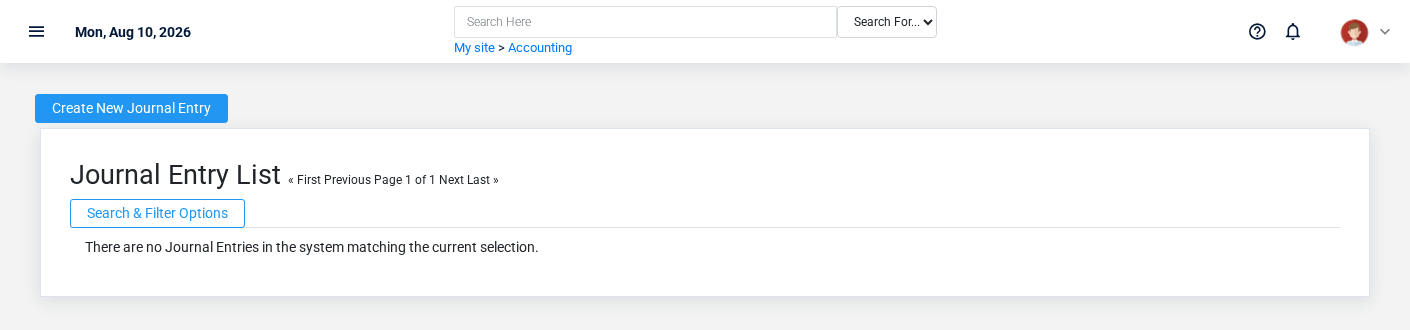
Use referencethe Journal Entries list to find the correct record before opening or changing it. Compare Date Created. Compare the full identifier rather than relying on a similar name.
Open the Journal Entry whose Date Created match the task. If it is awaitingmissing, workflowclear review.the list filters and recheck the identifying information shown on the screen rather than creating a replacement immediately.
Create a recordJournal Entry
TheCreate evidencea packetJournal identifiesEntry only after confirming that the viewsource document or operational event has not already been entered.
-
Select the business context first.
-
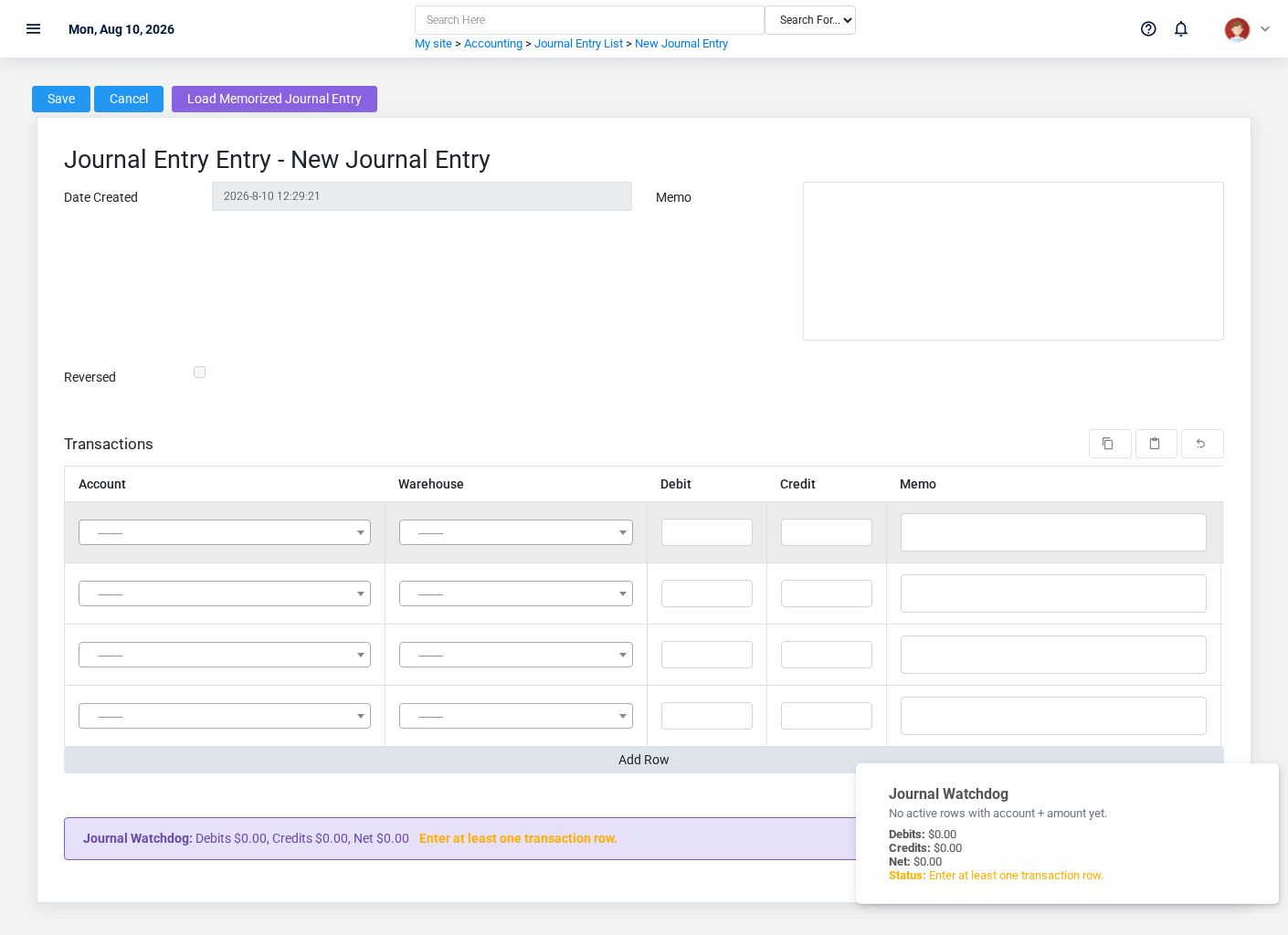
Enter the identifying values shown on the form, especially Date Created, Memo, and
sourceReversed.location -
Review Reversed deliberately; these choices control availability or workflow rather than merely describing the record.
-
Save the Journal Entry, then confirm Date Created on its detail page before continuing.
After saving: Review both sides of the entry in the general ledger and confirm that the intended reporting period and accounts changed by equal amounts.
Delete a Journal Entry
Delete this Journal Entry only when it was entered by mistake and no downstream history depends on it. Use a reversal, void, credit, counter-adjustment, or status correction for thisa action.real Confirmevent user-facingthat stepslater beforechanged.
Before confirming, check for related Customer Balance Import Records, Payroll Journal Entries, and Transactions. Brisk may refuse deletion when another record depends on this page.
View record details
The evidence packet identifiesresolve the viewduplicate andor sourceuse locationthe forsupported thiscorrection action.workflow Confirminstead user-facingof stepsbreaking beforethe approving this page.trail.
Find
On andthe reviewconfirmation recordspage, Theverify Date Created. After confirmation, return to the Journal Entries list screenand make sure only the intended Journal Entry was removed.
Review Journal Entry details
Use the detail page as the shared record of what this Journal Entry currently means. Verify Date Created before relying on it for a decision.
Compare the Journal Entry with its source document or approved setup request before deciding that it needs correction.
Next check: Review both sides of the entry in the Briskgeneral documentationledger demo.and
Theconfirm evidence packet identifiesthat the viewintended reporting period and sourceaccounts locationchanged forby thisequal action.amounts.
Print user-facinga stepsJournal beforeEntry
Before thisprinting, page.verify the identifiers, dates, amounts, status, and recipient information on the Journal Entry. Printed output can outlive later corrections, so regenerate it after a material edit.
Edit an existing recordJournal Entry
TheEdit evidencethis packetJournal identifiesEntry to correct or complete the viewsame source document or operational event; use the supported reversal or follow-up workflow when the business event itself changed.
-
Open the detail page. Compare Date Created with the supporting document or approved request.
-
Recheck Date Created. These values are most likely to change account balances, financial periods, and
sourcestatementlocationresults. -
Save the change, return to the list, and confirm that the Journal Entry now appears under the expected Date Created.
After the change: Review both sides of the entry in the general ledger and confirm that the intended reporting period and accounts changed by equal amounts.
Fields and business rules
Brisk stores 3 user-relevant fields for this action.Journal ConfirmEntry, user-facingincluding steps0 beforelinked-record approvingselections and 0 controlled-choice fields. Create and edit screens may hide calculated or workflow-managed values from this page.full reference.
Delete
| Field | Required | What |
|---|---|---|
| Date Created | No | Date and |
| Memo | No | The memo recorded for this |
| Reversed | No | Whether the reversed option applies to this |
What happens next
Review both sides of the entry in the general ledger and confirm that the intended reporting period and accounts changed by equal amounts.
PrintCommon mistakes and troubleshooting
- The values look right but the result is wrong: Compare this
recordJournal
where it is used.TheEntryevidence packet identifieswith theview andsourcelocationdocumentfororthisapprovedaction.setupConfirmdecision,user-facingthenstepscheckbeforetheapprovingdownstreamthisscreenpage.