
Inmate Trust Account from Intake to Release
PublicationBrisk’s current accounting foundation can be configured as a separate secondary ledger for controlled trust activity, but the current product does not provide an inmate-account workflow from intake to release. This page explains the closest supportable accounting pattern and the product boundary so staff and prospects do not mistake a demonstration ledger for a jail-management integration.
Important demonstration boundary: All names, identifiers, amounts, and transactions are fictional. Current Brisk has no inmate or booking record, commissary transaction, intake/release workflow, trust-specific permission set, or CADMUS JMS synchronization. Do not present Brisk as replacing a JMS or as having an official CADMUS partnership.
Workflow at a glance
| Outcome | A proposed, separately configured accounting ledger with explicit unsupported steps |
| Starts with | Approved trust-account design and manual identity controls outside Brisk |
| Ends with | Generic ledger/reconciliation review; release disbursement remains unsupported as a dedicated workflow |
| Primary roles | Authorized trust clerk, accounting reviewer, administrator |
| Brisk areas involved | Ordinary Accounting, Customers, Payments, Reports |
| Common organizations | Detention facilities evaluating a secondary ledger only |
| Approximate handoffs | Configuration-dependent; not implemented end to end |
Why this workflow matters
Trust funds require a balance that can be traced to approved deposits, deductions, corrections, and disbursements. Direct balance edits or deleted history would undermine that review. Brisk’s double-entry accounting and transaction history can support a carefully designed separate ledger.
However, general accounting records do not supply detention-specific identity, booking lifecycle, commissary authorization, release controls, or statutory compliance. Those remain with the facility’s JMS and approved operating procedures unless a future, reviewed integration is built.
Before you begin
- Obtain accounting, legal, security, and correctional-operations approval for the ledger design.
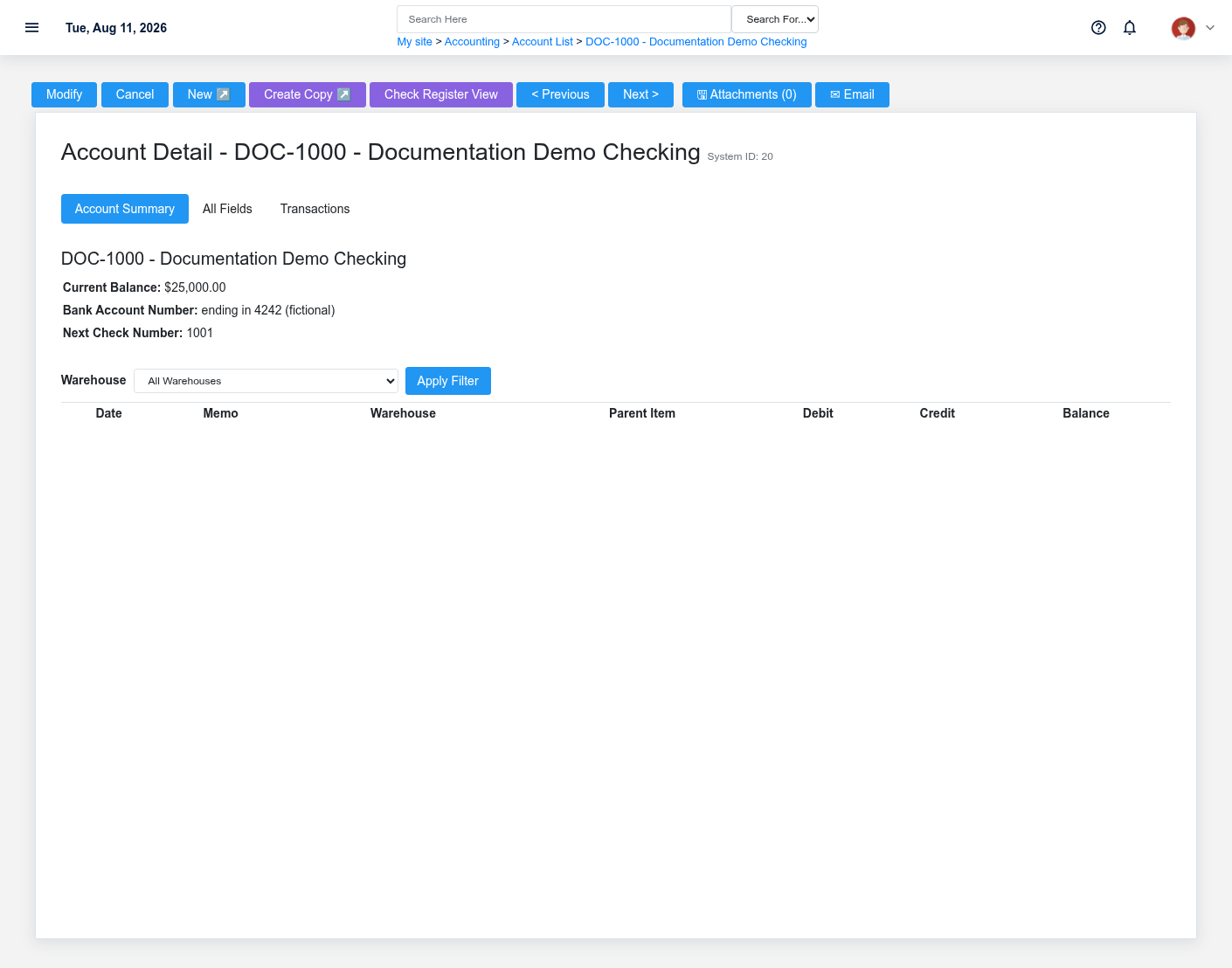
- Define dedicated bank, trust liability, clearing, fee, and disbursement accounts plus segregation-of-duties rules.
- Keep authoritative resident, booking, custody, release, and commissary data in
progress.the JMS. Current Brisk entry would be manual or separately imported through a reviewed process; no CADMUS sync exists. - Configure least-privilege accounting access and never place sensitive criminal, medical, or identity data in the documentation dataset.
Supported accounting pattern and unsupported handoffs
What Brisk can keep connected today
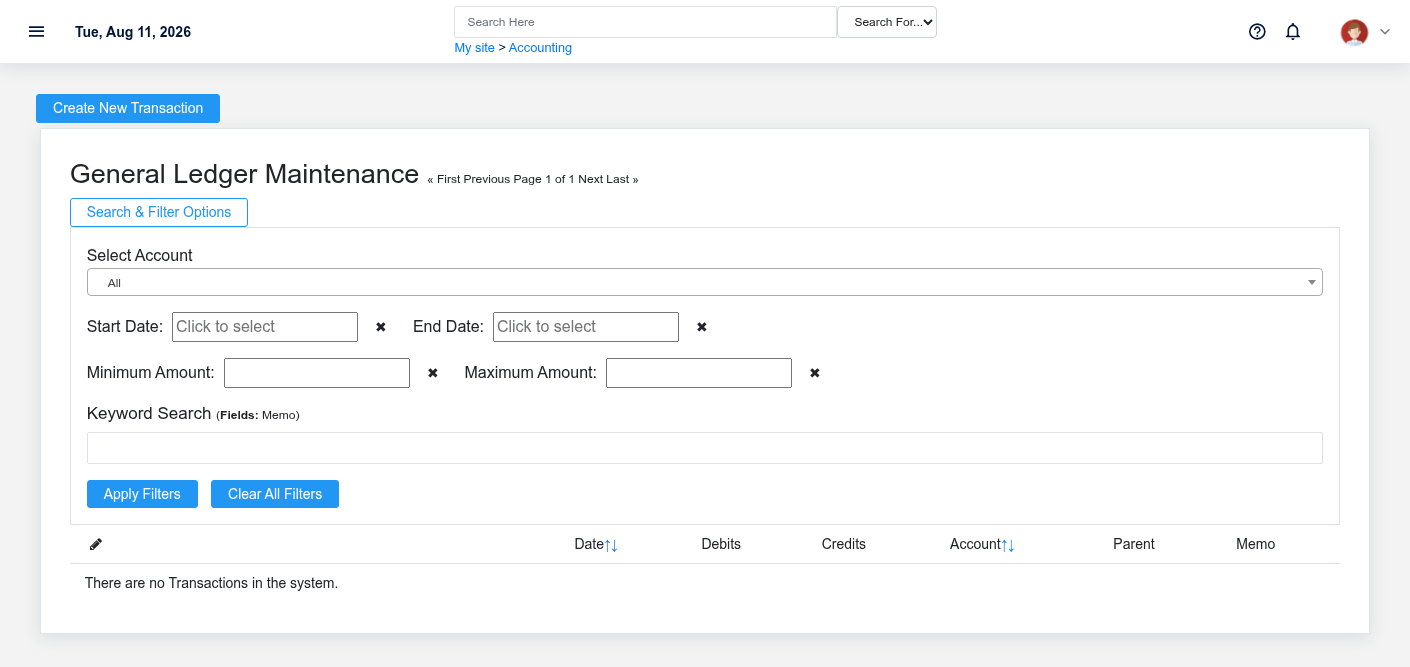
| Action | Result or downstream record | Where to verify it |
|---|---|---|
| Configure dedicated accounts | Separate accounting structure | Account and bank-account detail |
| Save an approved accounting entry | Debit/credit history | Transaction detail and account activity |
| Record a correcting entry | Preserved correction trail | Original and correction transactions |
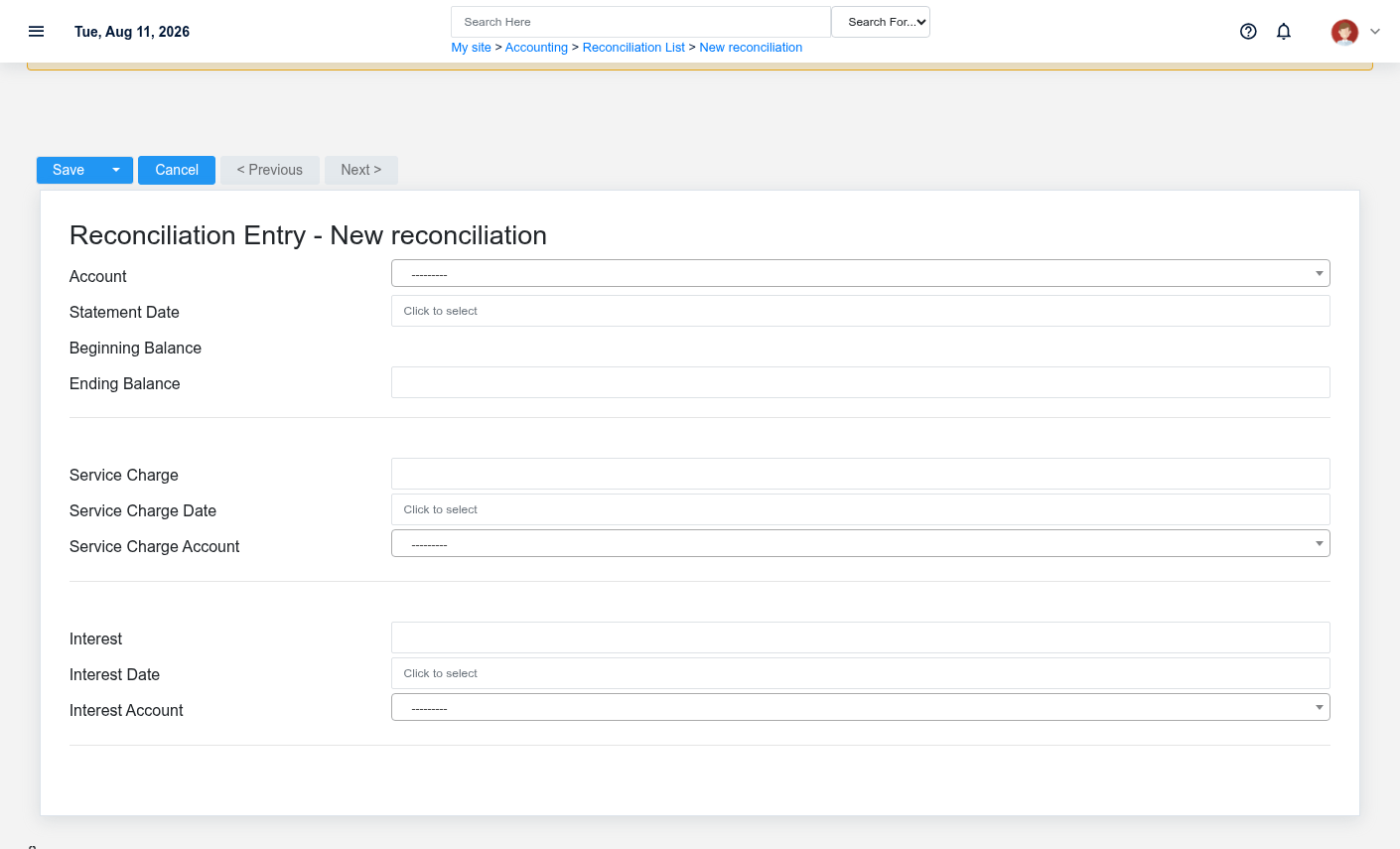
| Reconcile a configured bank account | Generic reconciliation record | Reconciliation detail and reports |
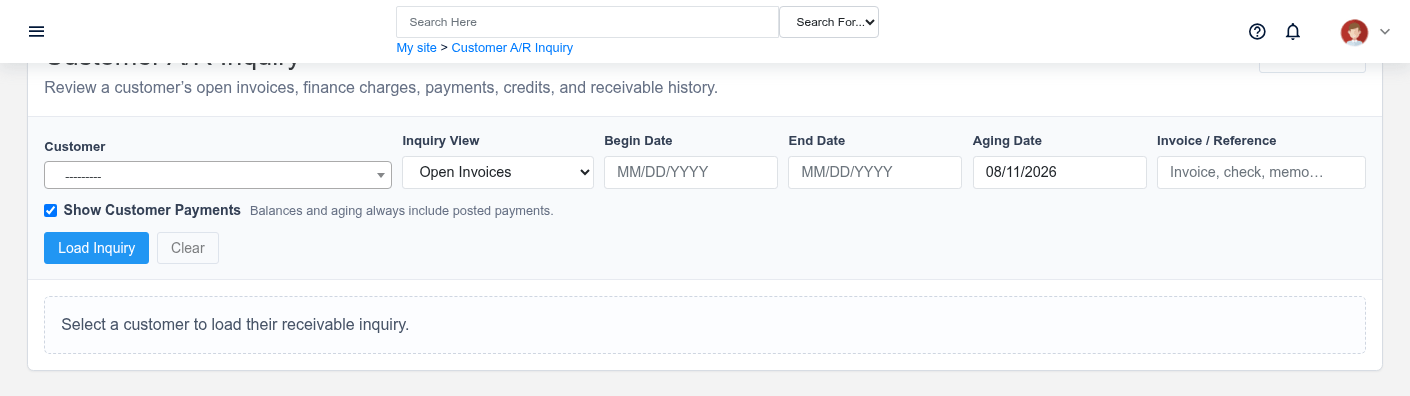
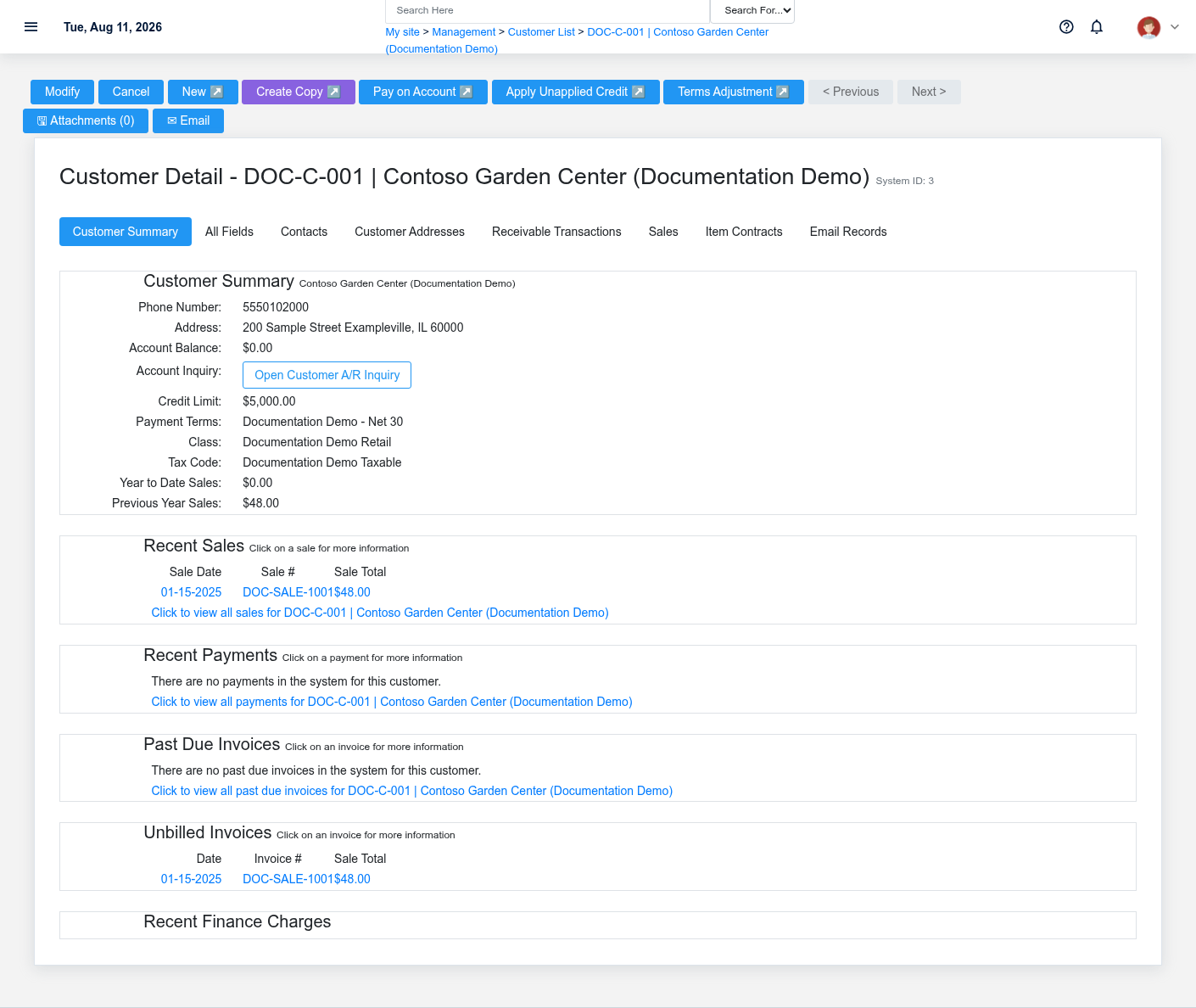
No current code connects those records to a booking, commissary order, release, or CADMUS JMS record.
Handoffs and controls
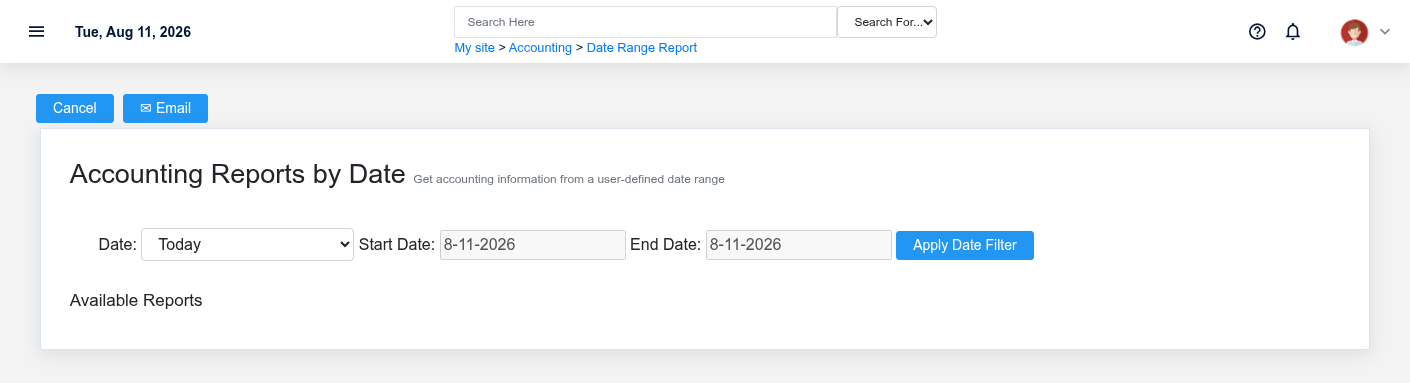
The JMS and detention staff remain authoritative for identity and custody events. Authorized trust staff would originate approved financial evidence; accounting would review posting and reconciliation; administrators would control access. The accounting transaction is the Brisk source of truth for recorded value, but it cannot validate the underlying custody event.
Exceptions and safe corrections
- Identity or booking mismatch: stop and resolve it in the authoritative JMS before any financial entry.
- Duplicate deposit uncertainty: search transactions and receipt evidence before entering again.
- Incorrect amount: use an approved reversal/correction; never delete material financial history or overwrite a balance.
- Unclear commissary/fee authority: do not post until the facility validates the source and account treatment.
- Release or transfer: use the facility’s approved non-Brisk process until dedicated functionality exists.
- Reconciliation difference: trace each transaction and cutoff; do not create an unsupported plug entry.