
Payroll Runs
Payroll Runs
Purpose and when to use this record
BriskReview storesa payroll runsprocessing ascycle, partits ofpay period, employees, calculated totals, status, and posting state.
At a glance
-
Identify it by: Pay Date, and Status.
-
Why care: Payroll setup and run state affect employee pay, taxes, and accounting. Restrict changes to authorized payroll staff and verify them against the approved pay-period records.
-
Why care: Status communicates workflow progress to other staff. Change it only when the underlying work, approval, payment, or handoff has actually occurred.
Before you begin
You need the Brisk permission for the action you are taking on payroll module.runs. ThisIf generateda referenceCreate, Edit, or Delete control is awaitingabsent, workflowdo review.not work around it with another user’s account; ask an administrator to review your role.
Create a recordPayroll Run
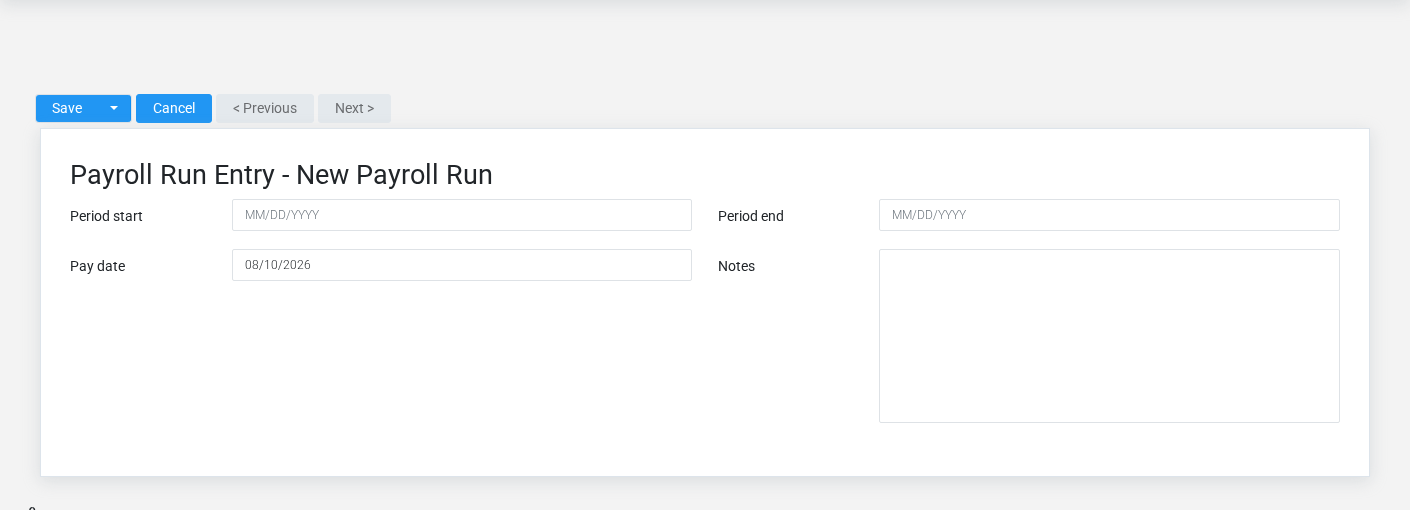
TheCreate evidencea packetPayroll identifiesRun only after confirming that the viewsource document or operational event has not already been entered.
-
Select the business context first.
-
Enter the required identifying and
sourceoperationallocationvalues:forPeriodthisStart,action.PeriodConfirmEnd,user-facingandstepsPay Date. -
Review Status deliberately; these choices control availability or workflow rather than merely describing the record.
-
Save the Payroll Run, then confirm Pay Date, and Status on its detail page before
approvingcontinuing.this
After saving: Review employee-level earnings, deductions, taxes, and net pay before posting; after posting, use the correction or reversal process instead of silently changing history.
Find and review recordspayroll runs
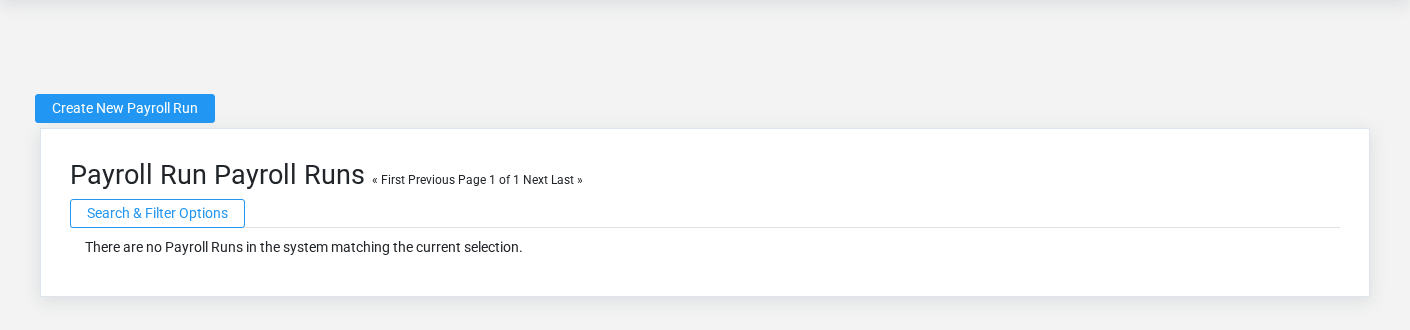
The evidence packet identifiesUse the viewPayroll Runs list to find the correct record before opening or changing it. Compare Pay Date, and sourceStatus. locationCompare the full identifier rather than relying on a similar name.
- The initial order emphasizes Pay Date. Select a column heading when you need a different comparison.
Open the Payroll Run whose Pay Date, and Status match the task. If it is missing, clear the list filters and recheck Status rather than creating a replacement immediately.
Fields and business rules
Brisk stores 5 user-relevant fields for this action.Payroll ConfirmRun, user-facingincluding steps0 linked-record selections and 1 controlled-choice field. Create and edit screens may hide calculated or workflow-managed values from this full reference.
| Field | Required | What it controls |
|---|---|---|
| Period Start | Yes | Date recorded for period start on this payroll run. |
| Period End | Yes | Date recorded for period end on this payroll run. |
| Pay Date | Yes | Date recorded for pay date on this payroll run. |
| Status | No | Current status of this payroll run. Available values: Draft, Calculated, Approved, Posted. |
| Notes | No | Additional internal notes about this payroll run. |
What happens next
Review employee-level earnings, deductions, taxes, and net pay before approvingposting; after posting, use the correction or reversal process instead of silently changing history.
Common mistakes and troubleshooting
-
The record will not save: Recheck Period Start, Period End, and Pay Date and any message beside the field. A required related record may also be inactive or unavailable to your role.
-
The record saved but is not available where expected: Recheck Status, then clear the filters on the destination list. A saved record can still be inactive, unpublished, locked, unapproved, or in the wrong workflow state.
-
The values look right but the result is wrong: Compare this
page.Payroll Run with the source document or approved setup decision, then check the downstream screen where it is used.